Wednesday, January 17, 2018

New Best Friend: Pet Shelter Cards

This is such a sweet idea and neat to do and share.  I just saw this YouTube vid by Sandy Allnock .... a artist and paper crafter.  Her idea an so nice.  Seh is going to be looking into donating cards to shelters in the coming year since she seem to have a growing collection of dog and cat stamps.  They could be sold at the shelter as fundraiser....lots of ideas.

Stuff From My Inbox


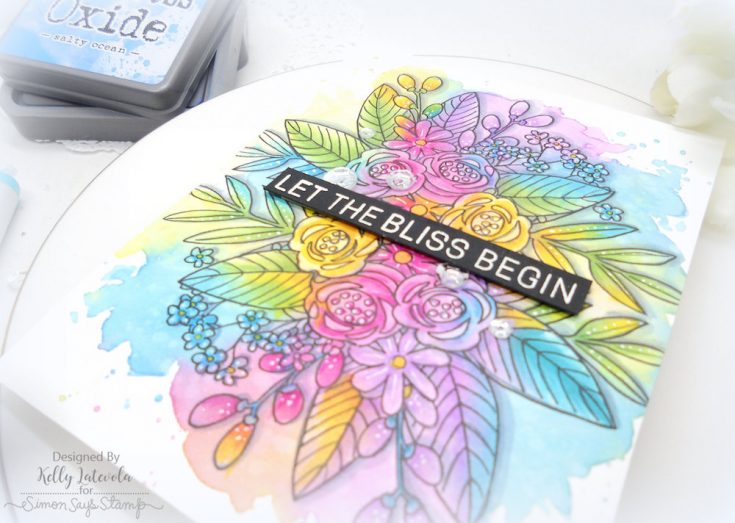
Today's inbox was chock full of fun stuff and posts from other crafters. Kelly Latevola (one of my faves) is bringing us out of the winter with some bright, water color techniques with Copics.


Take a look...here .

https://www.cathyzielske.com/2018/01/why-i-keep-showing-up/
Cathy Zelske who tells it like it is, tells us about her self-care FIT (link) program. If you want a challenge.  Go directly to CZ. 


Also a link from Zulily who offers every crafting item you could need for knitting, sewing, art, stamping etc.

Let me know if you find any other crafting goodies we should include.  Just leave your note and a link in comments.  Love to hear from you.


Tuesday, January 2, 2018

Happy New Year!...back to work

Some my cardmaker gurus have come across this instagram thingie where you have Google select your top 9 photos for 2017.  Now, having Google choose without consulting me is suspect.   Look what they chose...
These are cards I have made and the neighbors chickens!  

If any of you are watercolorists, maybe you can help or sympathize....I am trying to find the colors to complete this project.  I have trouble with the paper, for one. It is pilling, but that may be from too many applications of color.   I think I will go to Strathmore.  Now the colors.   I am using Zig watercolor brush makers and want to make it work.  I won't try Copics, and something this size is a challenge. Katrina, Nicole and Jennifer just knocked it out of the park.  

 It is a birthday card for a special someone. Off the the craft room to give it another go. 


Friday, December 29, 2017

What happened?

Well, the eco obsessed quiltmaker is expanding the blog.  I have added  new interest just to keep my interests out there.  Or, maybe a place to go in the event I forget who I am.

Cardmaking has been a fun hobby along with quilting.  It is time to share some of the cool stuff I am doing.  I will continue so slip in an eco rant now and they maybe something quilty, but mainly this is a document of my journey with cards.  I have a lot to learn....how to use Copics...how to use Instagram, where are the tags on blogger?  etc   (things have changed)....help me  out when you can.

Also, there will be guest bloggers now and the and some re-blogging from some of my wonderful sources.


Here is where I do it.....
and this is what I end up with.  
I am learning new techniques and have fun digital friends and artists to learn from.

I have re-opened my Etsy shop (shameful link) where I am slowly listing some of my cards.  Will see how this turns out.  I would like to have some income to cover the costs of my supplies for my hobby.  

#SierraCards#cardmaker#etsy#handmade#greeting#cards#papercraft#watercolor#stamping#greetingcards#etsy

Friday, February 28, 2014

Keep antibiotics off your plate!

Keep antibiotics off your plate!

Next time you bite into a pork chop or enjoy chicken salad this summer, you might want to thank Uncle Sam and the pharmaceutical industry for that special ingredient in your meat — antibiotics.
That's right! Up to 80% of all antibiotics sold in the U.S. are used in industrial animal confinements for chicken, beef and hogs at sub-therapeutic levels, not to treat disease, but to make the animals grow faster. While this practice has slightly increased profit for livestock producers, doctors have found that overuse of antibiotics in livestock feed is putting human health at serious risk.
According to the landmark "Antibiotic Resistance Threat Report" published by the Centers for Disease Control last year, 2 million American adults and children become infected with antibiotic-resistant bacteria each year, and at least 23,000 die as a direct result of infections. Tragically, even more die from complications. This is alarming and it has to stop.By adding a small amount of antibiotics in the feed or water daily, livestock producers not only promote faster growth, but also try to make up for the overcrowding and unsanitary conditions of factory farms. In recent decades, medical doctors and public health scientists have become alarmed at the steady rise of antibiotic-resistant bacteria that no longer respond to frontline antibiotics to treat disease in humans and have found proof that overuse of unnecessary antibiotics in factory farms is contributing to this growing problem.
Unbelievably, last year, the Food and Drug Administration (FDA) issued a proposed Veterinary Feed Directive, or VFD, that allows agribusiness to continue to feed antibiotics to healthy livestock and poultry, putting our health at risk. Instead of putting human health first and calling for the mandatory elimination of sub-therapeutic use, the FDA is calling for “voluntary” measures to curb antibiotic usage by agribusiness giants. This is outrageous! What we don’t need now is another set of toothless suggestions by the FDA when antibiotic-resistant "Superbugs" are on the rise.
For the past several years, mainstream medical and scientific groups like the American Medical Association, the World Health Organization, Union of Concerned Scientists and The Pew Campaign on Human Health and Industrial Farming have called for an end to this practice of using antibiotics for growth promotion because of the rise of new “Superbugs”.  To speak u you clan visit:

http://action.fooddemocracynow.org/go/1216?t=12&akid=1171.290872.bGwNbj

Wednesday, February 8, 2012

Baking Soda (Again)


1. Wash your fruits and vegetables
Dissolve a few tablespoons of baking soda in a bowl of cool water. Soak the fruits or vegetables for 10 minutes and rinse.

2. Deodorize your fridge or freezer
Place an open box of soda in your fridge or freezer to let it absorb the odors. Replace after 3 months.

3. Deodorize your cutting board
Clean and remove odors from your cutting board with the help of a sponge and a paste of baking soda and water.

4. Remove coffee stains from cups
Dampen the cup and start rubbing baking soda with a cotton cloth until the stain is gone. Rinse. Baking soda works great against tea stains as well.

5. Unclog drains
Pour 1 cup of baking soda followed by 1 cup of hot vinegar. Wait 15 minutes before flushing the drain with hot water. Repeat a few times if necessary.

6. Polish silver
A fast and easy way to polish silver, stainless steel and chrome is to put a pinch of baking soda on a damp cotton cloth and polish. The results will be immediate.

7. Remove stains
To remove wine, oil or grease stains from fabrics just sprinkle baking soda and leave for a few hours then brush off. If necessary, rub again with a paste of soda and water.

8. Use as fabric softener
Baking soda can successfully replace your fabric softener. Add half a cup to the rinse cycle and you will never think of going back to store-bought softener. It is also great for sensitive skin.

9. Exfoliate
Baking soda is the perfect exfoliator, able to remove dead skin cells from your skin. Just wash your face with lukewarm water, pour a teaspoon of baking soda on your palm and massage your face gently with circular movements for about 5 minutes. Rinse with cold water.

10. Brush your teeth
Baking soda can be used not just for cleaning your teeth but also as a natural whitener. You should be careful though, because it is abrasive and might hurt your gums, so do not press to hard.

Baking soda can be used in all spheres of life, from treating different disease to extinguishing fires. Its universal qualities as well as the fact that it can replace dangerous environmental pollutants we use on a daily basis make it my all time favorite and I hope yours too!
-repost via EcoEtsy.com_

Sunday, January 1, 2012

Homes Resistant to Bullets and Earthquakes

This fascinating piece is compliments of treehugger.com.  Who, as usual, shares with such generosity.  What caught my eye and my head was that these structures are resistant to both bullets and earthquakes!

© Andreas Froese/ECOTEC
Thousands of pieces of trash that would otherwise be clogging waterways and landfills in Nigeria have been turned into sturdy, and surprisingly attractive, construction materials in the village of Yelwa, where the country's first plastic-bottle house is drawing curious visitors and plenty of press.
"Hundreds of people -- including government officials and traditional leaders -- have been coming to see how the [house's] walls are built in the round architectural shape popular in northern Nigeria.
Stronger Than Conventional Construction
The bottles are actually filled with dry soil or construction waste, not sand (an "unnecessary expense"), John Haley of ECOTEC, the firm that is training local masons in the technique, told TreeHugger.com in an email. They are then laid in rows like bricks and bound together with mud, producing a sturdy, well-insulated, and inexpensive three-room structure that is resistant to both bullets and earthquakes.

© Andreas Froese/ECOTEC
"In Nigeria millions of plastic bottles are dumped into waterways and landfill each year causing pollution, erosion, irrigation blockages, and health problems. Bottle houses take this dangerous waste out of the environment and make it useful," the environmental blog Eco Nigeria wrote earlier this year as the construction was in progress.

Sustainability

This is a short post....just a question.  Please, what’s the key detail lacking from all of these subsidies purported to ensure a “safe and secure” energy future?  
Sustainability.  
 
No matter how you define that nebulous term, fossil fuel subsidies are about increasing supply, not encouraging efficiency or reducing the external costs to human health and the environment.

Thursday, November 17, 2011

Recycling Facts

Recycling Facts [Infographic]

Re-blog posted by ecokaren on October 10, 2011 · 9 comments
We talk about recycling to death. We know which plastic number should be recycled and which numbers don’t. Although recycling is a way of life in most cities, there are communities that still don’t recycle. So then, it’s no surprise that the U.S. is not the recycling nation in the world.
Did you know that:
-Glass can be recycled over and over without ever losing its purity
–70% less energy is used to manufacture recycled paper
–The energy conserved from recycling one bottle can power a light bulb for one hour
–One recycled can of aluminum contains enough energy to power a Sony TV for three hours


All About Recycling
Source:Reusable Bags

Wednesday, October 19, 2011

More On Water

Nearly half of all bottled water sold in the United States is tap water, which companies put in plastic bottles and sell at huge profits, according to a new report by Food & Water Watch. Tap water's share of the bottled water market grew from 32.7% in 2000 to 47.8% in 2009 (the rest is spring water), according to the group, which based its analysis on of the bottled water industry's own data. In all, 2.5 billion gallons of municipal tap water, which taxpayers pay to treat, is bottled and sold for $1 (or often much more) per gallon, when the same municipal tap water typically costs a penny or less per gallon ... and is conveniently delivered to your home.
"These are the numbers the bottled water industry doesn't want you to see," said Food & Water Watch executive director Wenonah Hauter. "These figures reveal that more and more bottled water is basically the same product the flows from consumer taps, subsidized by taxpayer dollars—then poured into an environmentally destructive package, and sold for thousands of times its actual value."
According to Food & Water Watch, the increase in the use of tap water comes down, primarily, to Nestle's decision to switch its Pure Life brand from spring to tap water in 2005 ... and it's subsequent advertising campaign, which boosted sales nearly 20% (for an arguably less desirable product).
This all reminds us of our piece on the problems with bottled water, which we reprise here:
For years, advocacy groups have been raising concerns about bottled water: Not only do bottles end up littering the landscape, and not only are those plastic bottles derived from fossil fuels, but they also may leach chemicals into water and the quality of the water is not stringently monitored.
But many Americans have a healthy distrust of advocacy groups. If you're one of them, then consider this. The Government Accountability Office, the well-respected and nonpartisan research organization that serves Congress, has concluded a yearlong investigation, and come up with basically the same conclusions. Here's a summary:

Water Quality

Surveys have shown that perceived health benefits are behind the staggering increase in the consumption of bottled water -- from 13.4 gallons per person in 1997 to 29.3 gallons per person in 2007. While on paper, the Food and Drug Administration limits on contaminants in bottled water mirror the Environmental Protection Agency's strict limits on contaminants in tap water supplied by community water systems, that doesn't mean bottled water is as closely watched or as safe as tap water. Here's why:
  • Phthalates
    Unlike the EPA, which has set limits on phthalates in water, the FDA has stalled for more than 15 years in publishing a limit on the phthalate DEHP in bottled water. DEHP is an ingredient in plastic, and (the GAO report does not detail the chemical's potential health effects as we do here) laboratory studies have linked some phthalates to problems with male fertility -- including decreased sperm counts and penis and testes sizes -- with obesity, and with other health problems related to hormonal imbalances. Several phthalates have been banned in children's products for this same reason: They inhibit the normal function of testosterone, the male hormone.
  • Testing
    While the EPA requires drinking water suppliers to use certified labs to test their water, the FDA does not have this authority. Further, test results don't have to be reported to the FDA -- even if the test results show violations of drinking water quality standards. Even those states that have rules that exceed FDA requirements typically don't match EPA requirements.
  • Labeling
    While the EPA requires public drinking water systems to annually publish the results of water quality testing, along with information about the drinking water source and known threats, the FDA does not require this of bottled water companies. The GAO reports: "In 2000, the FDA concluded that it was feasible for the bottled water industry to provide the same types of information to consumers that public water systems must provide. However, the agency was not required to conduct a rulemaking requiring that manufacturers provide such information to consumers, and has yet to do so."
  • "High Risk" Regulation
    The GAO has repeatedly warned that the FDA is not up to the task -- lacking staff, funding and regulatory authority (while seeing staffing drop 19%, the facilities it was charged with inspecting increased 28% between about 2001 and 2007) -- to adequately police the nation's food supply. In January 2007, the GAO noted that the nation's food safety is a "high risk" area, in great part because it is policed by 15 separate agencies. Drinking water is only one more example.

Environmental Impact

  • Waste
    While recycling of carbonated beverages, like soda and beer, is encouraged in many states with deposit laws, these bottle bills are much less common for bottled water. As a result, about 75% of water bottles are thrown in the trash, rather than recycled.
  • Energy
    "Regarding the impact on U.S. energy demands, a recent peer-reviewed article noted that while the production and consumption of bottled water comprises a small share of total U.S. energy demand, it is much more energy-intensive than the production of public drinking water."
There are reasons to keep bottled water around: It's handy in case of an emergency, for instance. In most everyday cases, however, it's better for you and the environment to use a reusable water bottle and tap water (filtered if you think it improves the taste). Many of the issues with bottled water that the GAO identified can be solved with changes in regulation: Water quality could be assured if it matches EPA standards; labeling could provide full disclosure of source, testing contaminants detected; the nation's food safety regulatory structure could be totally overhauled; and recycling rates could be improved with new bottled deposit laws. However, bottled water will remain an item that lacks commonsense as long as U.S. tap water remains among the safest and most rigorously tested in the world.
The Daily Green previously summarized the problems with the bottled water industry like this:

The 7 Sins of Bottled Water

  1. Plastic bottles are made from petroleum.
  2. The bottles often go into the trash, rather than the recycle bin (in part because many states don't offer five-cent deposits to encourage recycling, as they do on soda and beer cans and bottles).
  3. The water is pumped far from where it is sold, creating needless pollution as trucks and barges transport it across the country or around the world.
  4. Some local communities have objected to the sale of their water, arguing that the water underground or flowing from natural springs is publicly owned and should not be exploited for profit.
  5. Bottled water is rarely as closely monitored as tap water.
  6. Tap water in the United States, when provided by a municipal system, is the most highly monitored and safe supply in the world.
  7. Fifty percent of the water sold in little plastic bottles is tap water, but it costs an awful lot more per gallon.

Thursday, September 22, 2011

We Are Water

glass of water
 We are water. Literally. So we need to be drinking a fair amount of it daily. Try to drink tap water in reusable bottles. Unless there is something very wrong with your municipal water or you know your well water is contaminated, there is no reason to drink bottled water. Bottled water is a farce. It usually is the very municipal water you think you're avoiding by buying tap. So you're spending several dollars on something that is free – and less regulated than municipal water, I might add. A total rip off. And then there are all of the eco-implications and repercussions of the actual bottles. Think of the energy used to make those bottles, fill them with water, and then transport them all around. Sure, most places recycle the plastic most water bottles come in (PET #1) but many of those bottles wind up in the trash or in the gutter, not in the recycling bin. And they take 1,000 years to break down in a landfill. Spending money on something that is free and then drinking out of virgin plastic for maybe an hour that will then sit in a landfill for 1,000 years doesn't sound like good common conscious. So we don't do it.

 Everything else is a pretty huge category. Think about what you drink over the course of a day. Green the items you drink the most of to make the biggest impact. For me that's coffee, some tea, and wine. I don't drink much hard alcohol or beer but there are certain local/organic or just organic versions of both. Choose these. It's amazing to me how many people  who eat a very conscious diet but forget somehow to drink sustainable coffee, tea, and wine. These, like your veggies, are plants. They can be highly sprayed or unsprayed. There are considerable labor issues when it comes to both – always look for Fair Trade coffee and tea. Depending on where you live, these can be local or from very far away. When it comes to coffee, shade-grown is another label to look for. The choices for organic/biodynamic/natural/sustainably grown grapes abound. Organic wine used to have a bad reputation but these taste great. Depending on where in the country you live, American wine might be less green than French. It has to do with transportation miles and economies of scale, not to mention irrigation.
roger doiron
What I don't delve into in the book is the sort of drinks that line the beverage aisle and drinks cases in most supermarkets. Soda isn't a conscious choice. If you want bubbles with flavor, buy a home seltzer maker, use it, and add some home squeezed juice. If you choose to drink it, do so knowing how much water is involved and how the sugar that is processed into high fructose corn syrup affects both you, the farmers that raise it, and the earth. Juice is an odd middle ground territory. If you don't live near an organic orange grove but do live near a low spray apple orchard, drinking the latter for breakfast can have considerable conscious impact. Besides, so much that is sold in bright plastic bottles as juice is mainly water and sugar, with flavor and maybe some juice mixed in. A good way to drink real juice is to buy a juicer and make it yourself.

Friday, September 2, 2011

Health Dangers of Styrofam Cups

Cons of Styrofoam Cups


Polystyrene cups, though cheap, are not without their negative traits.

Polystyrene foam, commonly referred to as Styrofoam, a popular brand of polystyrene, is used in a variety of products, ranging from packing to culinary elements. While the foam is light and cheap to purchase, there are downsides to using polystyrene foam cups, from environmental hazards to personal health risks.


Non-Biodegradable
*

Polystyrene is a non-biodegradable substance, and while it is possible to recycle the product, the majority of polystyrene ends up as trash. While it poses only a minimal imminent problem when properly disposed of at a dump where decomposition is slow, polystyrene disposed of as litter is much more damaging. Polystyrene which is thrown out on the streets will sit in a gutter or on a sidewalk without degrading until properly disposed of.
Biohazards
*

Production of polystyrene creates pollution in the air, as well as in the form of liquid waste, and is one of the world's largest industries in terms of pollution created. In addition to pollution from the creation of the polystyrene, an EPA study found that when burned, polystyrene gives off 57 chemical byproducts, making it a toxic hazard in the event of a fire.
Natural Resources Consumption
*

In order to create polystyrene for use as cups, the industry requires the use of non-renewable resources. Polystyrene is created using byproducts of petroleum which are heated, then infused with gases to generate the foam. An increase in consumption of polystyrene products like cups requires an increased demand for the petroleum, resulting in faster depletion of the world's oil supply.
Contamination
*

Polystyrene cups are commonly used for beverages which are served hot, as the insulation helps to protect the hand of the drinker. Unfortunately, putting heated drinks into a polystyrene cup poses a potential health risk to the drinker. As the hot liquids begin to heat the container, the cup leaches trace elements of polystyrene into the liquid within. As the consumer drinks the contents, he in turn takes in the chemicals. While trace amounts from sporadic consumption are not harmful, there's a risk of neurotoxins in high concentrations.
Health Risks from Styrene
*

If excessive ingestion of sytrene occurs and allows the chemical to build up to unhealthy levels within your body, you will be exposed to several health risks. In addition to being a possible carcinogen, studies have shown that styrene can lead to neurotoxic damage, which results in such symptoms as fatigue and difficulty sleeping. Styrene buildup has the potential to lower platelet counts and hemoglobin levels, and increases the risk of lymphatic or chromosomal abnormalities.


Read more: Cons of Styrofoam Cups | ://www.ehow.com/info_8080942_cons-styrofoam-cups.html#ixzz1WpG3VWno

Tuesday, August 16, 2011

Earth 911 - polystyrene


I do not feel that cost is in any way a viable  factor when NGOs such as churches, social groups,  etc, buy Styrofoam cups rather than containers such as ecotainer or even paper cups  and plates that biodegrade. If we are going talk the talk, we totally need to walk the walk.  I am personally zeroing in on several organizations to which I belong. 


Read it, please....and think  about the message we are sending to guests, potential members and our community.


Recycling polystyrene - aka Styrofoam
Styrofoam is a trademark of the Dow company, but the material itself is called polystyrene. Like so many other plastics, it's all around us - very commonly used in packing material as peanuts or expanded foam, in food trays and a wide variety of other products - even explosives such as napalm and hydrogen bombs!

The bad news is (aside from its use in WMD); polystyrene is manufactured from petroleum. It's highly flammable and a chemical called benzene, which is a known human carcinogen, is used in its production.

Polystyrene in the environment
Polystyrene foam, used commonly as padding in appliance packaging, takes an incredibly long time to break down in the environment and additionally, animals may ingest it which blocks their digestive tracts and ultimately causes starvation. This foam is also abundant in the Great Pacific Garbage Patch.

Given the nature of polystyrene, it's surprising that such an energy intensive, oil sucking and toxic substance is allowed to be use as packaging for food; particularly for items such as meat where the food has direct contact with it. Nearly two dozen cities in the USA have banned the use of polystyrene for this purpose.
Packaging and products containing polystyrene can usually be identified by a recycling triangle logo with the number 6 inside it stamped on the item.
It's likely to be a very long time before the use of polystyrene is totally discontinued, and while we can try to buy products that don't utilize the stuff, we need to deal with the styrofoam that winds up in our hands instead of it heading straight to landfill.
Unfortunately many  recycling programs don't accept polystyrene and given its bulk, it can be difficult to store. Also, polystyrene is often recycled to be used in single use products; such as more packing material, so it's really important to get the word out about recycling this form of packaging.
Burning polystyrene
Some people choose to burn polystyrene in order to be rid of the stuff, believing that as chloro-fluoro hydrocarbons were eliminated from expanded polystyrene over a decade ago, it was safe to do so.
The burning of polystyrene releases styrene gas which can effect the nervous system. Also, as it usually burns with a  sooty flame, this indicates combustion isn't complete and a complex mixture of toxic chemicals can produced by the relatively low temperature of a backyard burn.
Keeping polystyrene out of the waste stream
A pound of polystyrene recycled is a pound of new polystyrene that doesn't have to be created. Currently in the USA expanded polystyrene (EPS) foam packaging is being recycled at a rate of approximately 10-12% each year.
Here's a few tips as to what you can do with polystyrene to keep it out of the waste stream for as long as possible.
Keep it as packing - how many times have you needed to pack something for shipping and found you had nothing on hand? Break down large lumps of styrofoam into smaller chunks and keep a bag of it handy
Craft shops - I've read that craft shops are often a good place to take styrofoam as their customers use it in their craft projects.
Earth911.org - If you're in the USA, there's a search function at the top of the Earth911 web site where you can enter the term "polystyrene" and then in the box on the right, enter your location. The search results will provide listings of companies and organizations in your local area that will take polystyrene.Note: be sure to enter "polystyrene" rather than "styrofoam" as the latter, being just a brand name, is unlikely to return any results.

Planters - I've seen it used in pot plants to assist with drainage and as a filler - however, I'm not sure about the possibility of contamination when used in this way.
Mail back initiative - The Alliance of Foam Packaging Recyclers offers a mailback program to USA residents; whereby you send the polystyrene in via the US mail service. There's a cost involved (postage), but this may prove more economical to you that carting it somewhere by car. You can learn more about this option here.
Sell it! - If polystyrene is something you get a lot of; you might be able to make a few bucks from it. The Recycled Plastic Markets Database allows you to search for buyers of a wide variety of plastics.
I was aiming for 10 tips; so I'm a few short :). If you have your own tips for polystyrene recycling, please add them below!

Saturday, July 23, 2011

Fertilizer Affecting Our Water Quality

Nothing says Spring and Summer like the color green appearing everywhere.  The massive use of phosphorus fertilizers is a common  ritual and is currently drawing a lot of attention.  Phosphorus use worldwide is affecting our quality of life.  The countdown to Summer correlates with the smell of lawn fertilizers in many places.  Are they helpful, necessary and healthy?
The Feb. 14 edition of the journal Environmental Research Letters featured an article written by Stephen Carpenter of the University of Wisconsin-Madison and Elena Bennett of McGill University.  They have discovered that the human use of phosphorous, primarily in the industrialized world, is causing the widespread eutrophication of fresh surface water. Add to that he discovery that global stocks of usable phosphorous are concentrated in just a few countries and are running out, posing the risk of global shortages within the next 20 years.  You can read the article here.

The overuse affects the quality of our water.  ”Phosphorous stimulates the growth of algae and weeds near shore and some of the algae can contain cyanobacteria, which are toxic. You lose fish. You lose water quality for drinking.” says Carpenter.  North American soils are already loaded with the mineral, yet more is added in what seems to be a waste of a mineral that could be put to better use somewhere where the soil is deficient, like Africa and Australia.
Deposits of phosphorus take millions of years to form.  Some statess have taken the water quality issue seriously enough to propose and or pass a ban on using lawn fertilizers for established lawns.  Read about it here and here.  So before you spread fertilizer this Spring, research this issue and consider using phosphorus free fertilizer to keep our water clean and healthy for ourselves and for future generations.


This article is reblogged from http://blog.ecoetsy.com

Tuesday, July 5, 2011

Ginger  Hendrix from Wiener Dog Tricks shared this with Sew Mama Sew over a year ago.  I made using it up in no time using  voile from Anna Maria Horner.


This lovely little number flies together with just a few pieces and not all that much measuring.
TL10GSSN1.jpg title=
1. Gather the Goods.
spacer Nice soft cotton is wonderful for this nightie–you’ll want right around a yard and a half of fabric. In terms of extras, it’s begging for some trim and a few buttons to give it extra hoopla.
And then get to cutting:
  • Chest piece: Two strips.
    Width = Your Bra Size + 1 inch
    Height = 5 inches
    A note about piecing fabric together: If you need to scrap pieces together for these strips, just make sure you don’t have any funky seams running up the middle of the front. That’s just not pretty. Hide your piecing in the back. I’m just saying.
  • Body piece: One big chunk.
    Width = 1 ½ times the width of the chest piece (For example, if you use a Chest piece that’s 40 inches wide, your Body piece will be 40 + 20 = 60 inches wide.)
    Height = 30 inches X Your Hoochie Girl Factor (Take your willingness to show your backside and divide it by 12.)
    Just joking.
    The 30” number is a decent starting place, but hold up the fabric chunk right up to your chest and see what you think. Make it longer if you’re not that kind of girl; shorter if you are. Also—it’s always easier to hem than it is to add some weird trim to cover what you don’t want showing. Just a thought.
  • Straps: Two little strips
    Width = 1 inch
    Height = 18 inches
    (Throw a piece of fabric over your shoulder to get a sense of the length from the top of your shoulder blade over to the top of your, um, upper self. Again: better to start long and adjust.)
  • Trims
    You may want a few buttons, a length of ric rac and some hem tape if you’re inclined to fancify your nightie—but they’re not strictly necessary.
2. Ruffle your Body piece.
spacer Take your big Body piece and baste a nice, wide stitch with loose tension down the length of the fabric–about ¼ inch from the long edge. Then run another one along next to it. Make sure you let some thread hang loose from the ends—you’re going to skrinch the fabric up with that thread. (And before you start pulling, mark the center of the fabric—this will help you eyeball whether or not the gathers are mostly even and keep you from having a wonked nightie with 1000 gathers on one side and all flat on the other.)
spacer Take two threads and hold them lightly and pull so that the fabric gathers. Then skootch the gather toward the center. Keep doing this gently. (If you bust the thread you have to start over and that’s a mega-drag, so go slow here.)


Gather the fabric along the full length of the body piece so that it matches the width of your chest piece. (Just keep skrinching and un-skrinching until they match.)
3. Attach the Chest pieces.
spacer Start with a little handy ironing work: on one long side of each Chest piece, fold the edge over ½ inch and iron it down toward the backside of the fabric. (This will help later.) Like this…
Now put it all together: make a sandwich with your Body piece and your two Chest pieces (right-side-facing-in-with-ironed-edges-facing-down Chest pieces = bread; ruffled-edge-up Body piece = bologna).
spacer If you want to add in a little ric-racy trim, now’s your moment. I’m not a big fan of perfect pinning, so I like to sneak it in as I go. Line it up like this inside your sandwich on top of the right side of the chest piece– Just lay it along the bottom stitch…
spacer Your sandwich will look like this (with another chest piece hiding beneath and the ric rac hiding inside…).
spacer Now sew it all together along the pinned edge with a nice, sturdy stitch. (A note about the ric rac–shoot to sew right smack down the middle of the ric rac and it’ll give you a lovely little edging.) When you fold the chest pieces up, it’ll look like this.
spacer Now lay down a little topstitch. Lovely.
4. Add the straps.
spacer Before you start trying to sew up the dainty little straps, fold up the two chest pieces to meet at the top, and pin them together.
spacer Now to assemble your straps: take your one-inch strips and pretend like you’re making skinny little bias tape– Fold the edges to meet in the middle, then fold the whole thing in half longways. And sew it up…
spacer Your finished straps will be longer than you need them to be so that there’s room to adjust them to fit just right.
spacer Time to find the center point of your nightie and attach the straps, so find the middle and pin it.
spacer Measure 5 inches in both directions out from the center point to attach one end of each strap. Then measure 5 inches in from both outside edges to attach the remaining end of each strap.
Once you’ve got it all pinned in place, run a basting stitch along that top edge to hold your straps in place. Basting stitch? Yes. We’re working with fit-as-we-go here, so baste it and try it on like a painter’s smock; this is a crucial step, because if your straps are too long or in the wrong spot, you can accidentally look like you’re wearing a feedbag with pretty strings attached. This is not the look we’re going for.
Now it’s all just adjust-it-to-fit-you-honey and some gussying up and you’re done. Figure out how long your straps should be (you’ll be trimming your strap pieces–get that chest piece to sit right up under your armpits so that you can avoid the aforementioned feedsack/pretty strings scenario.) If you need to skootch the straps a little to the left or a little to the right, get that done too.
Once you’re sure of where the straps should live, run a nice, clean topstitch close to the top edge. Good work.
spacer 5. Sew it all up.
Once you close the main back seam together, you’re just about home. So do that. Fold the thing in half (with the wrong side facing out) and sew it up.
spacer 6. Give it a little hem.
My favorite way to do this is the old ‘The Iron It Over 1/4″ Then Fold It Over Again As You Sew’ method. You can’t beat it.
spacer 7. Fancy it up if you feel like it.
This is a completely optional step for Nightie Overachievers. Add a couple of little buttons and some hem tape to cover your inside seams to give your little number a truly finished look.
High five. You’re a Bona fide Nightie Maker. (Put it on your resume.)